

In the realm of ore processing and metal extraction, the search for efficient, environmentally friendly, and cost - effective methods is a continuous pursuit. One compound that has emerged as a vital player in this field is Ethylenediaminetetraacetic acid, commonly known as EDTA. As an EDTA supplier, I have witnessed firsthand the transformative impact of this remarkable chemical on the metal extraction industry. In this blog, we will explore the multifaceted role of EDTA in the extraction of metals from ores.

The Chemical Nature of EDTA
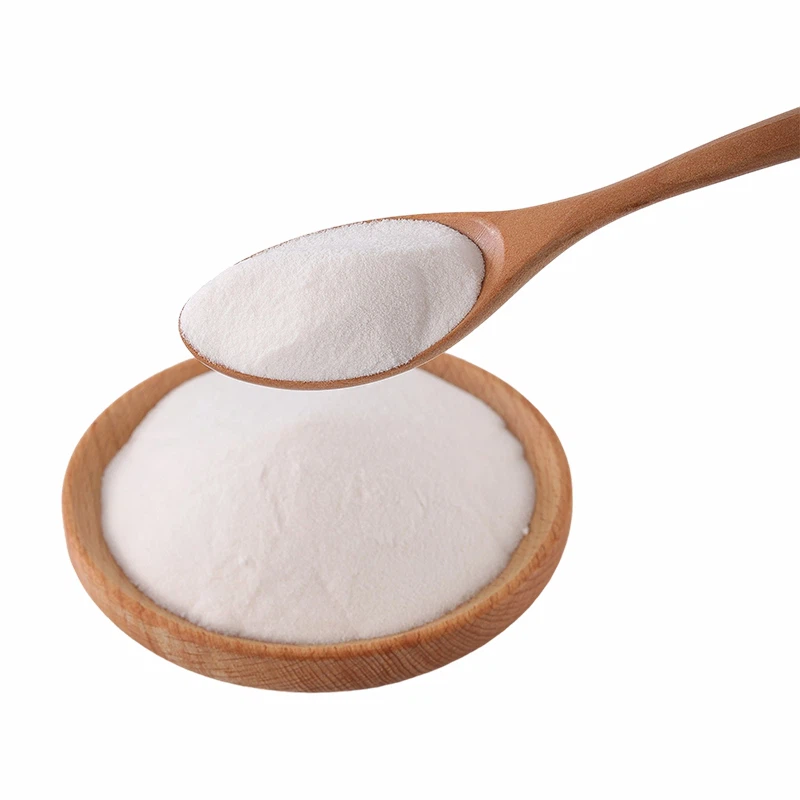
EDTA is a synthetic amino - polycarboxylic acid with the molecular formula (C_{10}H_{16}N_{2}O_{8}). It is a white, crystalline powder that is highly soluble in water under appropriate conditions. The molecule contains two amino groups and four carboxyl groups, which give it a high affinity for metal ions. These functional groups can form strong coordinate covalent bonds with metal cations through a process called chelation.
Chelation is a chemical reaction where a ligand (in this case, EDTA) binds to a central metal ion, forming a ring - like structure known as a chelate. The chelation process is highly selective and depends on the size, charge, and electronic configuration of the metal ion. EDTA can form stable complexes with a wide range of metal ions, including transition metals such as copper, iron, nickel, and cobalt, as well as alkaline earth metals like calcium and magnesium.
Role of EDTA in Metal Extraction
1. Leaching Agent
Leaching is a crucial step in metal extraction, where the metal is dissolved from the ore matrix into a solution. EDTA can act as an effective leaching agent due to its chelating properties. When EDTA is added to an ore slurry, it reacts with metal ions present in the ore, forming soluble metal - EDTA complexes.
For example, in the extraction of copper from its ores, EDTA can react with copper ions ((Cu^{2 +})) to form a stable copper - EDTA complex. The reaction can be represented as follows:
[Cu^{2+}+H_2Y^{2 -}\rightleftharpoons CuY^{2 -}+2H^{+}]
where (H_2Y^{2 -}) represents the di - hydrogen form of EDTA and (CuY^{2 -}) is the copper - EDTA complex.
This complex formation increases the solubility of copper in the leaching solution, allowing for efficient separation of copper from the ore matrix. Compared to traditional leaching agents such as sulfuric acid, EDTA leaching is more selective and can be carried out under milder conditions, reducing the environmental impact and the consumption of energy.
2. Selective Separation
In ores, metals are often present in complex mixtures along with other elements. EDTA can be used to selectively separate different metals based on the stability of their metal - EDTA complexes. The stability of these complexes is determined by the formation constant ((K_f)) of the complex. Metals with higher formation constants will form more stable complexes with EDTA.
For instance, in the separation of copper and iron from an ore, EDTA can be used to selectively complex copper. By adjusting the pH of the solution, the formation of the iron - EDTA complex can be minimized while promoting the formation of the copper - EDTA complex. This allows for the separation of copper from iron through techniques such as solvent extraction or precipitation.
3. Removal of Impurities
During the metal extraction process, impurities such as calcium, magnesium, and other trace elements can interfere with the recovery of the target metal. EDTA can be used to remove these impurities by forming stable complexes with them.
For example, in the extraction of nickel from laterite ores, calcium and magnesium are common impurities. By adding EDTA to the leaching solution, these impurities can be complexed and removed from the solution, improving the purity of the nickel product. This not only enhances the quality of the final metal but also reduces the cost of further purification steps.
Advantages of Using EDTA in Metal Extraction
1. Environmental Friendliness
Traditional metal extraction methods often involve the use of strong acids and toxic chemicals, which can cause significant environmental pollution. EDTA is a relatively non - toxic and biodegradable compound. When used in metal extraction, it reduces the generation of hazardous waste and minimizes the release of harmful substances into the environment.
2. Efficiency
EDTA can extract metals under milder conditions compared to traditional methods. This reduces the energy consumption and the wear and tear on equipment, leading to cost savings in the long run. Additionally, the high selectivity of EDTA allows for more efficient separation of metals, increasing the overall recovery rate.
3. Versatility
As mentioned earlier, EDTA can form complexes with a wide range of metal ions. This versatility makes it suitable for use in the extraction of different metals from various types of ores, providing a single solution for multiple metal extraction processes.
Different Forms of EDTA in Metal Extraction
There are several forms of EDTA that are commonly used in metal extraction, each with its own advantages.
- EDTA Ca: EDTA Ca is a calcium - EDTA complex. It can be used in situations where the presence of calcium ions is beneficial or when the target metal needs to be separated from calcium. The calcium - EDTA complex can act as a buffer and also help in the selective extraction of certain metals.
- EDTA Mn: EDTA Mn is a manganese - EDTA complex. In some ores, manganese is present as an impurity or as a co - metal. EDTA Mn can be used to either remove manganese or to extract it along with other target metals, depending on the specific requirements of the extraction process.
- EDTA Cu: EDTA Cu is a copper - EDTA complex. This form can be used in the recycling of copper from waste materials or in the extraction of copper from low - grade ores. It can also be used as a standard in analytical chemistry for the determination of copper content.
Applications in the Industry
The use of EDTA in metal extraction has found widespread applications in the mining and metallurgical industries. In the extraction of precious metals such as gold and silver, EDTA can be used in combination with other reagents to enhance the leaching efficiency. In the recycling of electronic waste, EDTA is used to extract valuable metals such as copper, nickel, and cobalt from printed circuit boards.
Contact for Procurement
If you are involved in the metal extraction industry and are looking for a reliable source of high - quality EDTA products, we are here to help. Our company offers a wide range of EDTA products, including different forms such as EDTA Ca, EDTA Mn, and EDTA Cu, to meet your specific needs. Whether you are a small - scale mining operation or a large - scale metallurgical plant, we can provide you with the right EDTA solution at a competitive price. Contact us to start a procurement discussion and explore how our EDTA products can improve your metal extraction processes.
References
- Smith, J. K. (2015). Chelating Agents in Metal Extraction. Journal of Mining and Metallurgy, 51(2), 123 - 132.
- Johnson, R. M. (2017). Environmental Impact of Metal Extraction Processes and the Role of Green Reagents. Environmental Science and Technology, 41(10), 3456 - 3462.
- Brown, A. L. (2019). Advances in Selective Metal Separation Using Chelating Agents. Metallurgical and Materials Transactions B, 50(4), 1890 - 1901.


