

In the realm of organic fertilizers, vermicompost and manure have long been hailed as two of the most effective options for enhancing soil fertility and promoting plant growth. As a dedicated vermicompost supplier, I've witnessed firsthand the transformative power of vermicompost in various agricultural and horticultural settings. In this blog post, I'll delve into a detailed comparison between vermicompost and manure, exploring their composition, benefits, and limitations to help you make an informed decision for your gardening or farming needs.
Composition
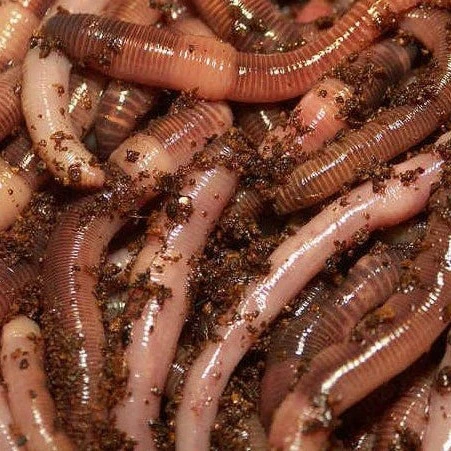
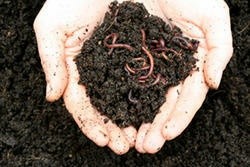
Vermicompost, also known as worm castings, is the end - product of the decomposition process carried out by earthworms. Earthworms consume organic matter such as food waste, leaves, and manure, and through their digestive system, they break down these materials into a nutrient - rich substance. Vermicompost is teeming with beneficial microorganisms, enzymes, and a wide range of essential plant nutrients. It typically contains nitrogen, phosphorus, potassium, calcium, magnesium, and trace elements in a form that is readily available for plant uptake.
Manure, on the other hand, is the excrement of animals, commonly cows, horses, chickens, or pigs. Its composition varies depending on the animal's diet, age, and living conditions. Generally, manure contains organic matter, nitrogen, phosphorus, and potassium, but the nutrient ratios can be quite different from those in vermicompost. For example, chicken manure is high in nitrogen, while horse manure has a more balanced nutrient profile. However, manure also contains pathogens, weed seeds, and may have high levels of salts, which can be problematic in some cases.
Nutrient Availability
One of the key advantages of vermicompost is its high nutrient availability. The digestive process of earthworms breaks down organic matter into a fine, crumbly substance that is easily absorbed by plant roots. The nutrients in vermicompost are present in a chelated form, which means they are bound to organic molecules, making them more stable and less likely to leach out of the soil. This results in a slow - release of nutrients over time, providing a steady supply of food for plants throughout the growing season.
In contrast, the nutrients in manure may not be as readily available. Fresh manure needs to undergo a decomposition process before the nutrients can be effectively used by plants. During this decomposition, there is a risk of nitrogen loss through volatilization, especially if the manure is left exposed to the air. Additionally, the high carbon - to - nitrogen ratio in some manures can lead to nitrogen immobilization, where soil microorganisms consume the available nitrogen, leaving less for the plants.
Soil Structure Improvement
Both vermicompost and manure can improve soil structure, but they do so in different ways. Vermicompost acts as a soil conditioner, enhancing soil porosity, water - holding capacity, and aeration. The sticky substances produced by earthworms during the composting process help to bind soil particles together, creating aggregates that allow for better root penetration and water movement. This is particularly beneficial for heavy clay soils, which tend to be compacted and poorly drained.
Manure also adds organic matter to the soil, which can improve its structure over time. However, the large particles in manure may take longer to break down and integrate into the soil. In some cases, if manure is not properly incorporated, it can form a layer on the soil surface, which may impede water infiltration and root growth.
Microbial Activity
Vermicompost is a hotbed of beneficial microorganisms. These microbes play a crucial role in soil health by decomposing organic matter, suppressing plant diseases, and fixing nitrogen. The diverse microbial community in vermicompost helps to create a balanced soil ecosystem, where plants can thrive. For example, some bacteria in vermicompost can solubilize phosphorus, making it more available to plants.
Manure also contains microorganisms, but the type and quantity can vary widely. Fresh manure may contain harmful pathogens such as E. coli and Salmonella, which can pose a risk to human health and plant safety. Composting manure can reduce the pathogen load, but it may not eliminate all of them. Moreover, the microbial community in manure may not be as diverse or beneficial as that in vermicompost.
Environmental Impact
From an environmental perspective, vermicomposting is a more sustainable option. It helps to divert organic waste from landfills, where it would otherwise produce methane, a potent greenhouse gas. Earthworms can consume large amounts of organic matter, converting it into a valuable resource. Additionally, vermicomposting requires less energy compared to traditional manure management, which often involves transportation and storage.
Manure management can be a challenge, especially in large - scale agricultural operations. Improper disposal of manure can lead to water pollution, as nutrients and pathogens can leach into groundwater or runoff into surface waters. However, when managed correctly, manure can be a valuable source of nutrients for crops, reducing the need for synthetic fertilizers.
Application and Usage
Vermicompost can be used in a variety of ways. It can be mixed into potting soil for container gardening, spread as a top - dressing around plants, or used as a soil amendment when planting new beds. Its fine texture makes it easy to work with, and it can be applied at any time of the year. For a more convenient option, you can also consider our Earth Worm Granular Fertilizer, which is a concentrated form of vermicompost that is easy to store and apply.
Manure needs to be used with caution. Fresh manure should not be applied directly to plants, as it can burn the roots due to its high ammonia content. It is recommended to compost manure for at least six months to a year before using it in the garden. The application rate of manure also needs to be carefully calculated to avoid over - fertilization and nutrient imbalances.
Cost - effectiveness
The cost of vermicompost and manure can vary depending on factors such as location, availability, and quality. In general, vermicompost may be more expensive than manure on a per - volume basis. However, considering its high nutrient content, slow - release properties, and beneficial effects on soil health, vermicompost can be a cost - effective option in the long run. It can reduce the need for synthetic fertilizers and pesticides, and improve crop yields and quality.
Manure is often more readily available and may be cheaper, especially if you have access to a local farm. However, the cost of transporting, composting, and managing manure should also be taken into account.
Conclusion
In conclusion, both vermicompost and manure have their own unique advantages and disadvantages. Vermicompost offers a more consistent, nutrient - rich, and environmentally friendly option for soil improvement and plant growth. It has better nutrient availability, a more beneficial microbial community, and is safer to use compared to manure. On the other hand, manure can be a valuable source of organic matter and nutrients if managed properly.
As a vermicompost supplier, I believe that vermicompost is the superior choice for most gardening and farming applications. Its numerous benefits make it an ideal solution for those who are looking to grow healthy, sustainable plants. If you're interested in learning more about our vermicompost products or would like to discuss your specific needs, please don't hesitate to reach out for a procurement discussion.
References
- Edwards, C. A., & Bohlen, P. J. (1996). Biology and Ecology of Earthworms. Chapman & Hall.
- Magdoff, F., & van Es, H. (2009). Building Soils for Better Crops. Sustainable Agriculture Research and Education.
- USDA Natural Resources Conservation Service. (2012). Managing Manure to Protect Water Quality.


