

Hey there, fellow plant lovers and farmers! I'm a supplier of Yeast Granular Fertilizer, and I'm super stoked to dive into how this amazing product affects the production of plant hormones.
Let's start by understanding what plant hormones are. They're like the chemical messengers in plants. They regulate everything from growth and development to how plants respond to stress. There are several types of plant hormones, including auxins, cytokinins, gibberellins, abscisic acid, and ethylene. Each of these hormones plays a unique role in a plant's life.
Now, let's talk about Yeast Granular Fertilizer. This isn't your average fertilizer. It's packed with nutrients and bio - active substances that can have a profound impact on plant hormone production.
First off, Yeast Granular Fertilizer contains a good amount of amino acids. Amino acids are the building blocks of proteins, and they also play a role in the synthesis of plant hormones. For example, tryptophan is an amino acid that is a precursor for the synthesis of auxins. Auxins are crucial for cell elongation, root development, and apical dominance. When plants are supplied with Yeast Granular Fertilizer, the availability of tryptophan increases, which can lead to an enhanced production of auxins. This means better root growth, stronger stems, and overall healthier plants. You can check out Amino Acid Organic Fertilizer Granule 4 - 30 and Amino Acid Organic Fertilizer Granule 12 - 0 - 1 to see more about the amino - acid rich fertilizers we offer.
Cytokinins are another important group of plant hormones. They promote cell division, delay senescence (aging) of plant tissues, and are involved in the growth of lateral buds. Yeast Granular Fertilizer contains substances that can stimulate the production of cytokinins. When plants have an adequate supply of cytokinins, they tend to have more vigorous growth, more branches, and a longer lifespan. The bio - active compounds in Yeast Granular Fertilizer interact with the plant's metabolic pathways to boost cytokinin synthesis.
Gibberellins are hormones that are responsible for stem elongation, seed germination, and flowering. Yeast Granular Fertilizer can influence the production of gibberellins in plants. The nutrients and growth - promoting substances in the fertilizer can trigger the plant's internal mechanisms to produce more gibberellins. This can result in taller plants, earlier flowering, and increased fruit set. For instance, in some fruit - bearing plants, an increase in gibberellin levels can lead to larger and more abundant fruits.
Abscisic acid is a stress - related hormone. It helps plants cope with drought, salinity, and other environmental stresses. Yeast Granular Fertilizer can enhance the plant's ability to produce abscisic acid. When plants are exposed to adverse conditions, the fertilizer can help them quickly ramp up the production of abscisic acid. This hormone then signals the plant to close its stomata (tiny pores on the leaves) to reduce water loss, and it also helps the plant adjust its metabolism to withstand the stress.
Ethylene is a gaseous plant hormone that is involved in fruit ripening, leaf abscission (falling off), and response to wounding. Yeast Granular Fertilizer can have an impact on ethylene production as well. In some cases, it can regulate the timing of ethylene production. For example, in fruit - growing operations, being able to control the ripening process is crucial. By using Yeast Granular Fertilizer, farmers can have more control over when their fruits ripen, which can lead to better marketability.
One of the great things about Yeast Granular Fertilizer is its slow - release nature. It provides a steady supply of nutrients to the plants over time. This is important because plant hormone production is a continuous process, and a consistent supply of nutrients is needed to maintain optimal hormone levels. Unlike some synthetic fertilizers that can cause a sudden spike in nutrient availability and then a rapid decline, Yeast Granular Fertilizer releases its nutrients gradually, ensuring that the plants have a stable environment for hormone synthesis.
I've seen firsthand the amazing results that Yeast Granular Fertilizer can bring. In a recent trial on a tomato farm, the plants treated with our Yeast Granular Fertilizer had significantly more flowers and fruits compared to the control group. The plants were also more resistant to pests and diseases. This is likely because the balanced production of plant hormones helped the plants develop a stronger immune system.
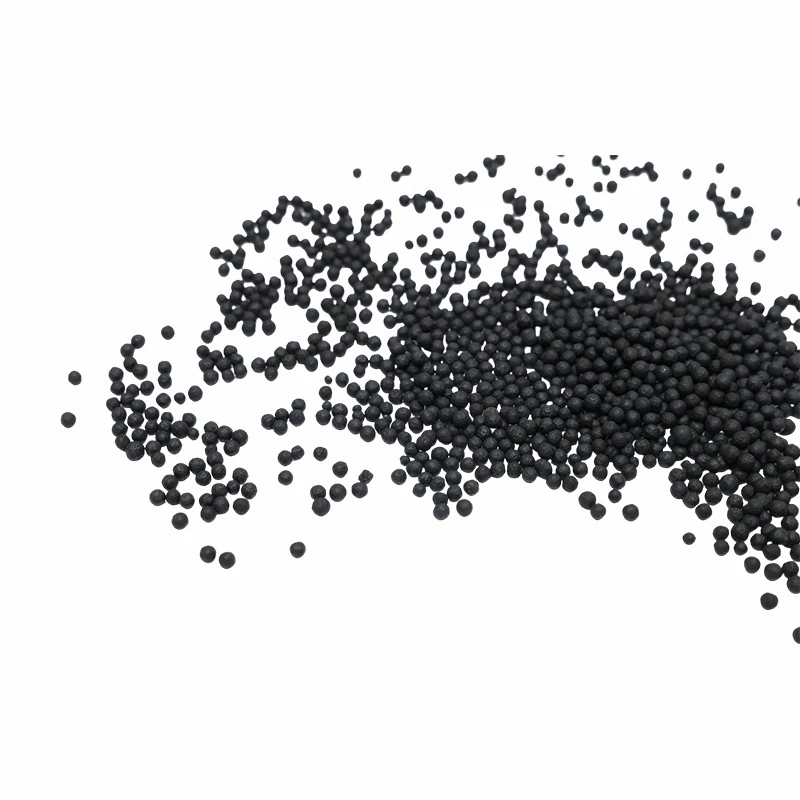
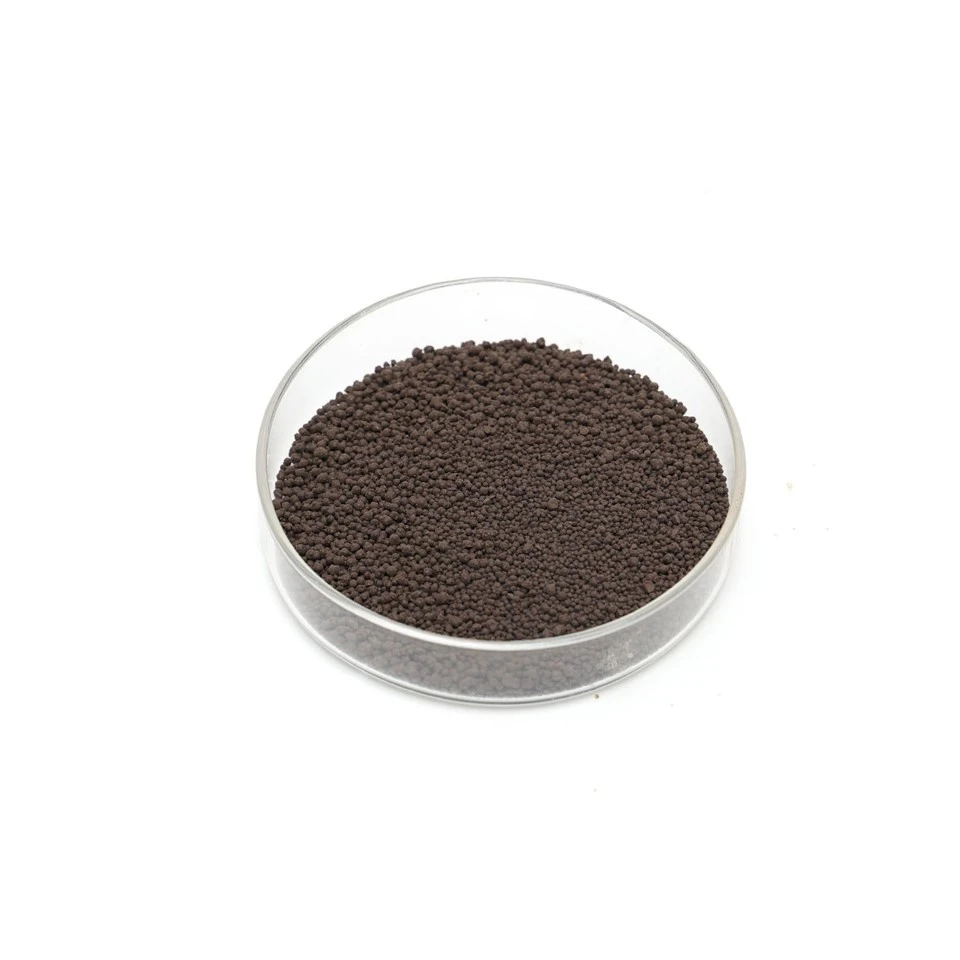
If you're looking for a natural and effective way to boost your plant's growth and productivity, Yeast Granular Fertilizer is the way to go. You can find out more about our Yeast Granular Fertilizer on our website. Whether you're a small - scale gardener or a large - scale farmer, this fertilizer can make a real difference in your yields.
We're always here to help you with any questions you might have about our products. If you're interested in purchasing Yeast Granular Fertilizer or want to discuss how it can be tailored to your specific needs, don't hesitate to reach out. Let's work together to grow healthier, more productive plants!
References:
- Davies, P. J. (2010). Plant Hormones: Biosynthesis, Signal Transduction, Action! Springer.
- Taiz, L., & Zeiger, E. (2010). Plant Physiology. Sinauer Associates.


