

As a reliable NPK fertilizer supplier, I understand the importance of proper storage for maintaining the quality and effectiveness of our products. NPK fertilizers, which contain nitrogen (N), phosphorus (P), and potassium (K), are essential for promoting healthy plant growth. However, improper storage can lead to nutrient loss, caking, and even degradation, reducing their efficacy and potentially causing harm to the environment. In this blog post, I will share some valuable insights on how to store NPK fertilizer properly.

Understanding the Characteristics of NPK Fertilizer
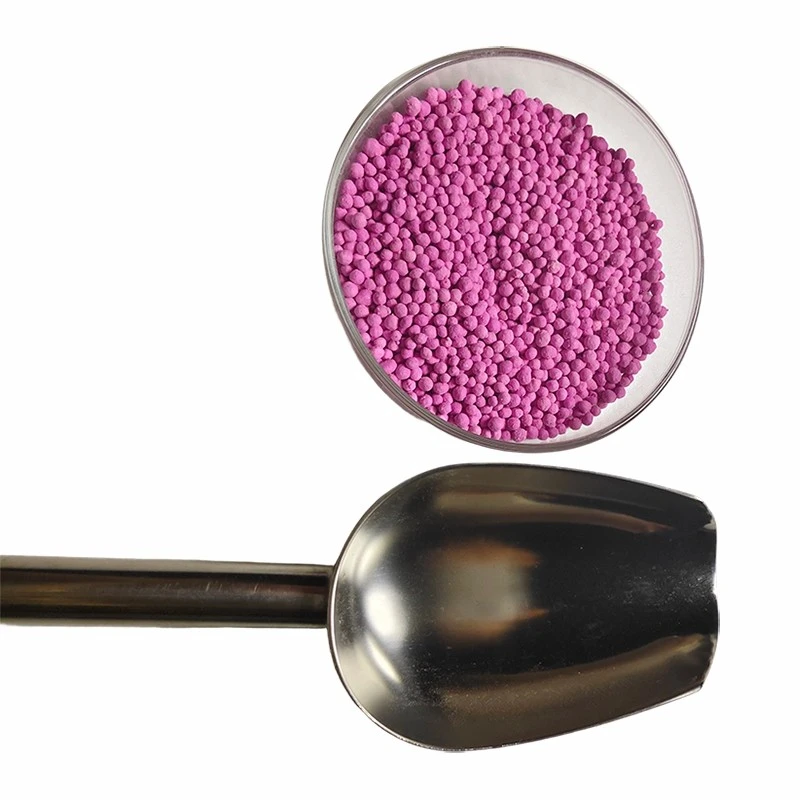
Before delving into storage methods, it's crucial to understand the basic characteristics of NPK fertilizer. These fertilizers come in various forms, including granules, powders, and liquids. Granular NPK fertilizers are the most common type, as they are easy to handle and apply. They are typically coated to prevent caking and improve their flowability.
NPK fertilizers are hygroscopic, meaning they absorb moisture from the air. This can cause the fertilizer to clump together, making it difficult to spread evenly. Additionally, exposure to high humidity and temperature can accelerate the breakdown of nutrients, reducing their availability to plants.
Choosing the Right Storage Location
The first step in proper NPK fertilizer storage is selecting the right location. The storage area should be dry, well-ventilated, and protected from direct sunlight and extreme temperatures. A dedicated storage shed or warehouse is ideal, as it provides a controlled environment that can help prevent moisture absorption and nutrient degradation.
If you don't have a dedicated storage facility, you can use a covered area such as a garage or a shed with a waterproof roof. Make sure the area is elevated off the ground to prevent water from seeping in. Avoid storing fertilizer near sources of heat, such as furnaces or heaters, as this can cause the fertilizer to break down more quickly.
Controlling Temperature and Humidity
Temperature and humidity are two critical factors that can affect the quality of NPK fertilizer. High temperatures can cause the fertilizer to decompose, releasing ammonia gas and reducing the nitrogen content. On the other hand, high humidity can cause the fertilizer to absorb moisture, leading to caking and clumping.
To control temperature and humidity, it's essential to maintain a stable environment in the storage area. Keep the temperature between 50°F and 80°F (10°C and 27°C) and the relative humidity below 60%. You can use a dehumidifier to remove excess moisture from the air and a thermometer to monitor the temperature.
Using Proper Storage Containers
The type of storage container you use can also have a significant impact on the quality of NPK fertilizer. Choose containers that are made of durable materials, such as plastic or metal, and have tight-fitting lids to prevent moisture and air from entering. Avoid using containers that are damaged or have holes, as this can allow moisture and pests to get in.
If you're storing granular NPK fertilizer, you can use large bags or bins. Make sure the bags are sealed tightly and stored on pallets to keep them off the ground. For liquid NPK fertilizers, use sealed containers that are specifically designed for storing chemicals. Label the containers clearly with the name of the fertilizer, the date of purchase, and the expiration date.
Preventing Contamination
Contamination is another common problem that can occur during NPK fertilizer storage. Fertilizers can be contaminated by dirt, dust, pests, and other chemicals, which can reduce their effectiveness and potentially cause harm to plants. To prevent contamination, keep the storage area clean and free of debris. Sweep the floors regularly and remove any spills or leaks immediately.
Avoid storing NPK fertilizer near pesticides, herbicides, or other chemicals, as this can cause cross-contamination. If you need to store different types of fertilizers in the same area, make sure they are separated by a barrier to prevent mixing.
Rotating Stock
To ensure that you're using the oldest fertilizer first, it's important to practice stock rotation. This means placing new fertilizer at the back of the storage area and moving the older fertilizer to the front. By doing this, you can prevent the fertilizer from sitting in storage for too long, which can lead to nutrient loss and degradation.
Monitoring and Inspecting the Fertilizer
Regular monitoring and inspection of the NPK fertilizer are essential to ensure its quality and effectiveness. Check the fertilizer regularly for signs of caking, clumping, or discoloration. If you notice any of these signs, it may be a sign that the fertilizer has been exposed to moisture or other contaminants.
Inspect the storage containers for any signs of damage or leakage. If you find any damaged containers, transfer the fertilizer to a new container immediately. Additionally, check the expiration date of the fertilizer and discard any expired products.
Conclusion
Proper storage of NPK fertilizer is essential for maintaining its quality and effectiveness. By following the tips outlined in this blog post, you can ensure that your fertilizer remains in good condition and provides the nutrients that your plants need to grow healthy and strong.
As a NPK fertilizer supplier, we are committed to providing our customers with high-quality products and excellent service. If you have any questions or need further information about NPK fertilizer storage, please don't hesitate to contact us. We would be happy to assist you with your fertilizer needs and help you make the most of your investment.
For more information about different types of fertilizers, you can visit BB Fertilizer and Compound Fertilizer.
If you're interested in purchasing NPK fertilizer, we invite you to reach out to us for a consultation. Our team of experts can help you choose the right fertilizer for your specific needs and provide you with guidance on proper storage and application. Let's work together to achieve optimal plant growth and productivity.
References
- "Fertilizer Storage and Handling." Extension. University of Minnesota.
- "Best Practices for Fertilizer Storage." International Fertilizer Association.
- "NPK Fertilizer: What It Is and How to Use It." Gardening Know How.


