

Acidic soil is a common challenge faced by many farmers and gardeners worldwide. The low pH levels in acidic soil can limit the availability of essential nutrients, affect soil structure, and even cause toxicity problems for certain plants. As a leading soil conditioner supplier, we are dedicated to providing effective solutions to address the issues associated with acidic soil. In this blog post, we will explore various soil conditioners suitable for acidic soil and how our products can help you improve soil quality and enhance plant growth.
Understanding Acidic Soil
Before delving into soil conditioners, it's crucial to understand what causes soil acidity and its impact on plant health. Soil becomes acidic due to several factors, including the leaching of basic cations (such as calcium, magnesium, and potassium) by rainfall, the decomposition of organic matter, and the use of acidic fertilizers. Acidic soil typically has a pH below 7, with a lower pH indicating higher acidity.
The main problem with acidic soil is that it can reduce the availability of essential nutrients for plants. For example, at low pH levels, phosphorus, potassium, and calcium become less soluble and are therefore less accessible to plant roots. Additionally, acidic soil can increase the solubility of aluminum and manganese, which can be toxic to plants at high concentrations. These factors can lead to stunted growth, yellowing leaves, and poor crop yields.
Soil Conditioners for Acidic Soil
There are several types of soil conditioners that can be used to neutralize acidic soil and improve its fertility. Here are some of the most common ones:
Lime
Lime is one of the most widely used soil conditioners for acidic soil. It contains calcium carbonate, calcium hydroxide, or a combination of both, which react with the hydrogen ions in the soil to raise the pH level. Lime also provides calcium, which is essential for plant growth and helps to improve soil structure. There are different types of lime available, including agricultural lime, dolomitic lime, and hydrated lime. Agricultural lime is the most commonly used type, as it is relatively inexpensive and easy to apply.
Wood Ash
Wood ash is a natural source of potassium, calcium, and magnesium, and it can also be used to raise the pH of acidic soil. It contains about 30-40% calcium carbonate, which makes it an effective soil conditioner. However, it's important to note that wood ash should be used sparingly, as it can also contain high levels of salts and heavy metals. Additionally, the pH-raising effect of wood ash is relatively short-lived compared to lime.
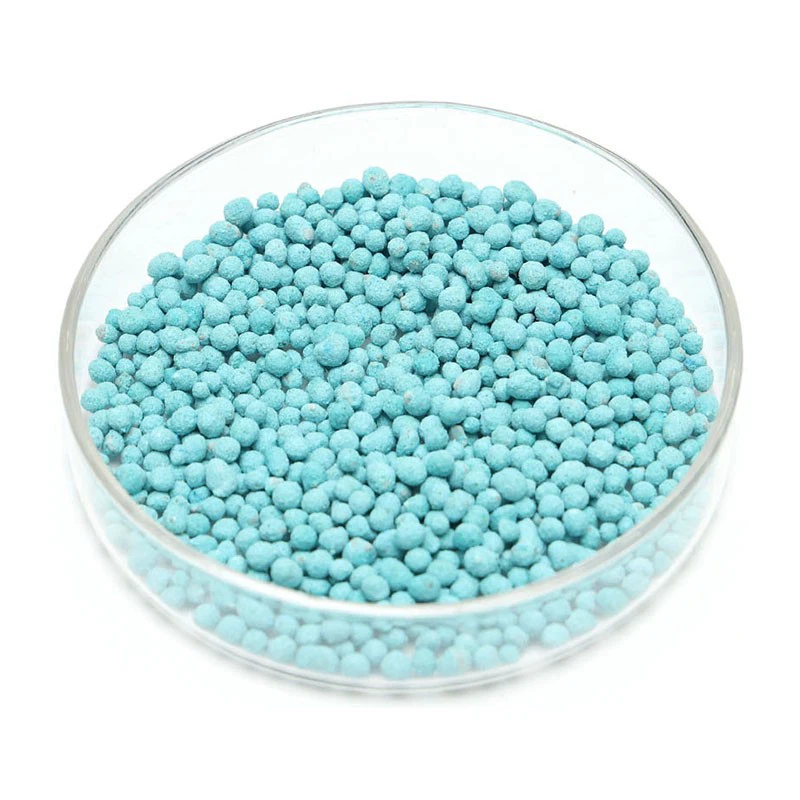

Disintegration Silicon Calcium Magnesium Fertilizer
Our Disintegration Silicon Calcium Magnesium Fertilizer is a revolutionary soil conditioner specifically designed for acidic soil. It contains a high concentration of silicon, calcium, and magnesium, which are essential nutrients for plant growth. Silicon helps to strengthen plant cell walls, making them more resistant to pests and diseases, while calcium and magnesium are important for maintaining proper soil structure and nutrient availability.
This fertilizer works by slowly releasing these nutrients into the soil, which helps to neutralize the acidity and improve soil fertility over time. The disintegration formula ensures that the fertilizer is evenly distributed in the soil, providing maximum benefits to your plants. It is also environmentally friendly and safe to use, making it an ideal choice for both traditional and organic farming.
Silicon Cacium and Magnesium Fertilizer Granule
Our Silicon Cacium and Magnesium Fertilizer Granule is another excellent option for acidic soil. The granules are easy to handle and apply, and they provide a slow-release source of nutrients to the soil. The combination of silicon, calcium, and magnesium helps to improve soil structure, reduce soil compaction, and increase the availability of other nutrients.
This fertilizer also helps to enhance plant growth and development by promoting root growth, improving photosynthesis, and increasing the resistance of plants to stress. It can be used for a wide range of crops, including fruits, vegetables, grains, and ornamental plants.
Benefits of Using Our Soil Conditioners
Using our soil conditioners for acidic soil offers several benefits:
- Improved Soil Structure: Our soil conditioners help to improve soil structure by increasing the aggregation of soil particles. This leads to better aeration, water infiltration, and root penetration, which are essential for healthy plant growth.
- Enhanced Nutrient Availability: By neutralizing soil acidity, our soil conditioners increase the availability of essential nutrients such as phosphorus, potassium, and calcium. This ensures that your plants have access to the nutrients they need to thrive.
- Reduced Soil Erosion: Improved soil structure and increased organic matter content help to reduce soil erosion. Our soil conditioners can help to bind soil particles together, preventing them from being washed away by rain or wind.
- Increased Crop Yields: By providing a more favorable growing environment for plants, our soil conditioners can help to increase crop yields. Healthy plants are more productive and less susceptible to pests and diseases, which means higher quality and quantity of produce.
- Environmental Sustainability: Our soil conditioners are environmentally friendly and sustainable. They are made from natural materials and do not contain harmful chemicals or pollutants. By using our products, you can contribute to the long-term health of the soil and the environment.
How to Apply Our Soil Conditioners
Applying our soil conditioners is easy. Here are the general steps:
- Test Your Soil: Before applying any soil conditioner, it's important to test your soil to determine its pH level and nutrient content. This will help you to determine the appropriate type and amount of soil conditioner to use.
- Choose the Right Product: Based on the results of your soil test, choose the soil conditioner that is best suited for your needs. Our team of experts can also provide you with personalized recommendations based on your specific soil conditions and crop requirements.
- Calculate the Application Rate: The application rate of our soil conditioners will depend on several factors, including the type of soil, the pH level, and the crop being grown. Refer to the product label for specific application instructions, or consult with our experts for guidance.
- Apply the Soil Conditioner: Spread the soil conditioner evenly over the soil surface using a broadcast spreader or by hand. For best results, incorporate the soil conditioner into the top 6-8 inches of soil using a tiller or a garden fork.
- Water the Soil: After applying the soil conditioner, water the soil thoroughly to help it settle and dissolve. This will also help to distribute the nutrients evenly throughout the soil.
Contact Us for Procurement and洽谈
If you are interested in purchasing our soil conditioners for acidic soil or have any questions about our products, please do not hesitate to contact us. Our team of experienced professionals is ready to assist you with your procurement needs and provide you with detailed product information and technical support. We can also offer customized solutions based on your specific requirements.
References
Brady, N. C., & Weil, R. R. (2008). The nature and properties of soils. Pearson Prentice Hall.
Marschner, P. (2012). Mineral nutrition of higher plants. Academic Press.
Sumner, M. E., & Noble, A. D. (2003). Acidic soils: Formation and properties. CRC Press.


