

In the ever - evolving world of agriculture, the demand for sustainable and efficient fertilizers has been on the rise. Among the various types of fertilizers available, fulvic acid fertilizer has gained significant attention. As a supplier of Fulvic Acid Fertilizer, I often encounter the question: "Is Fulvic Acid Fertilizer organic?" In this blog post, I will delve into the science behind fulvic acid, its production, and its classification as an organic fertilizer.
What is Fulvic Acid?
Fulvic acid is a natural organic compound that is a part of the humic substances family, along with humic acid and hymatomelanic acid. These substances are formed through the decomposition of organic matter such as plant and animal residues over long periods. Fulvic acid is the smallest and most soluble fraction of humic substances, which gives it unique chemical and biological properties.
It is rich in carbon, oxygen, hydrogen, and other elements. Its structure contains a variety of functional groups, such as carboxyl, hydroxyl, and phenolic groups. These functional groups enable fulvic acid to interact with soil particles, nutrients, and plant roots in multiple ways, making it a valuable component in agriculture.
The Production of Fulvic Acid Fertilizer
Fulvic acid fertilizer can be produced through different methods. One common approach is to extract fulvic acid from natural sources such as leonardite, coal, and peat. These materials are rich in humic substances and can be processed to isolate fulvic acid. The extraction process typically involves using alkaline solutions to dissolve the soluble fulvic acid fraction from the raw materials, followed by purification and concentration steps.
Another method is through the fermentation of organic matter. Microorganisms are used to break down organic materials like manure, crop residues, and food waste. During the fermentation process, the microorganisms secrete enzymes that convert the complex organic compounds into simpler forms, including fulvic acid. This method is more in line with the concept of organic production as it relies on natural biological processes.
Is Fulvic Acid Fertilizer Organic?
The answer to whether fulvic acid fertilizer is organic depends on several factors, including its source and production method.
Source of Fulvic Acid
If the fulvic acid is derived from natural organic materials without the use of synthetic chemicals during its formation, it has a strong case for being considered organic. For example, when fulvic acid is extracted from leonardite, a natural deposit formed from the decomposition of plant matter, it is a product of natural processes. Leonardite is a pre - coal stage of organic material, and the fulvic acid extracted from it retains the organic nature of its source.
On the other hand, if the production of fulvic acid involves the addition of synthetic chemicals or the use of genetically modified organisms (GMOs), it may not meet the standards of organic fertilizers. In the organic farming community, the use of synthetic inputs is strictly regulated to ensure that the end - products are free from artificial and potentially harmful substances.
Production Process
An organic fulvic acid fertilizer should be produced using natural and sustainable methods. As mentioned earlier, fermentation using natural microorganisms is a preferred method for organic production. This process mimics the natural decomposition and transformation of organic matter in the soil.
In contrast, if chemical synthesis methods are used to create fulvic - like substances, it would not be considered organic. For instance, some industrial processes may attempt to create a substitute for fulvic acid by combining various chemical compounds in a laboratory. These synthetic alternatives do not have the same natural origin and biological activity as natural fulvic acid.
Benefits of Fulvic Acid Fertilizer
Regardless of its organic classification, fulvic acid fertilizer offers numerous benefits for plants and soil.
Nutrient Uptake
Fulvic acid can chelate or bind to essential nutrients such as nitrogen, phosphorus, potassium, and trace elements. This chelation process protects the nutrients from being locked up in the soil and makes them more available for plant uptake. As a result, plants can absorb nutrients more efficiently, leading to improved growth, development, and overall health.
Soil Structure Improvement
It helps to improve soil structure by promoting the aggregation of soil particles. This creates larger pore spaces in the soil, which enhances aeration, water infiltration, and drainage. Better soil structure allows plant roots to penetrate more easily, access nutrients and water, and grow more vigorously.
Stimulating Plant Growth
Fulvic acid can stimulate plant growth at the cellular level. It can enhance the activity of enzymes involved in photosynthesis, respiration, and other metabolic processes. This leads to increased chlorophyll production, improved energy conversion, and higher biomass accumulation in plants.
Comparing with Other Organic Fertilizers
When comparing fulvic acid fertilizer with other organic fertilizers such as Amino Acid Fertilizer and Humic Acid Fertilizer, it is important to note their similarities and differences.
Similarities
All three types of fertilizers are derived from organic sources and contribute to soil fertility and plant health. They are all part of the efforts to promote sustainable agriculture by reducing the reliance on synthetic fertilizers. They can improve soil structure, enhance nutrient availability, and stimulate plant growth.
Differences
Each type has its unique properties. Amino acid fertilizers are rich in amino acids, which are the building blocks of proteins in plants. They are mainly used to enhance plant metabolism and promote the synthesis of enzymes and hormones. Humic acid fertilizers are larger in molecular size and are more effective in improving soil structure and moisture retention. Fulvic acid fertilizers, with their smaller molecular size and high solubility, are particularly good at promoting nutrient uptake and stimulating plant growth at the cellular level.
Making an Informed Decision
If you are a farmer or a gardener interested in using organic fertilizers, it is crucial to make an informed decision when choosing a fulvic acid fertilizer. Look for products that clearly state their source and production methods. Check if they are certified organic by relevant authorities.
As a supplier of Fulvic Acid Fertilizer, I am committed to providing high - quality, organic options. Our fulvic acid fertilizers are extracted from natural leonardite using environment - friendly and sustainable methods. We ensure that our products meet the strictest standards of organic farming, so you can use them with confidence to improve your crop yields and soil health.

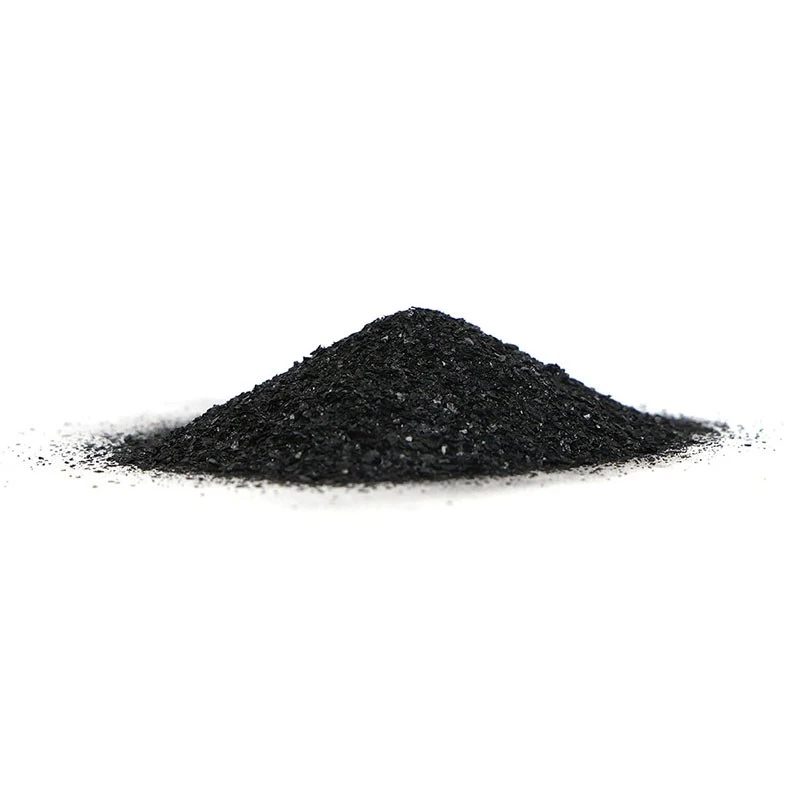
Why Choose Our Fulvic Acid Fertilizer?
- Natural and Organic: Our fulvic acid is sourced from natural deposits and produced without the use of synthetic chemicals.
- High Quality: We use advanced extraction and purification techniques to ensure the highest quality of our fulvic acid fertilizer.
- Proven Effectiveness: Our products have been tested in various agricultural settings and have shown significant improvements in plant growth and soil fertility.
If you are interested in learning more about our fulvic acid fertilizer or would like to discuss your specific needs, please feel free to reach out. We are more than happy to help you make the best decision for your agricultural operations. Whether you are a small - scale farmer or a large - scale agricultural enterprise, our team of experts can provide you with the right advice and solutions.
References
- Stevenson, F. J. (1994). Humus Chemistry: Genesis, Composition, Reactions. Wiley.
- Chen, Y., & Aviad, T. (1990). Humic substances in soil and crop sciences: Selected readings. American Society of Agronomy.
- Nardi, S., Pizzeghello, D., Ruggiero, P., & Muscolo, A. (2002). Humic substances as biostimulants of plant growth. Springer.


