

Hey there! As a supplier of NPK fertilizer, I've seen firsthand the amazing benefits that these fertilizers bring to the table. In this blog, I'm gonna break down why using NPK fertilizer is a game - changer for farmers, gardeners, and anyone involved in plant cultivation.
1. Balanced Nutrition for Plants
Plants, just like us, need a balanced diet to grow healthy and strong. NPK fertilizer provides the three primary nutrients that plants require in large amounts: nitrogen (N), phosphorus (P), and potassium (K).
Nitrogen is super important for leafy growth. It's a key component of chlorophyll, the green pigment in plants that's responsible for photosynthesis. When plants have enough nitrogen, they can produce more chlorophyll, which means more energy from sunlight can be converted into food. This results in lush, green foliage. For example, in a wheat field, a good dose of nitrogen can lead to taller, greener plants with more leaves, which ultimately can increase the yield.
Phosphorus plays a crucial role in root development, flowering, and fruiting. It helps in the transfer of energy within the plant. Young plants especially need phosphorus to establish a strong root system. If you're growing tomatoes, a phosphorus - rich NPK fertilizer can encourage more blossoms and better - developed fruits.
Potassium is all about plant health and stress tolerance. It helps plants regulate water movement, improves disease resistance, and enhances the quality of fruits and vegetables. For instance, in grapevines, potassium can make the grapes sweeter and more resistant to fungal diseases.
2. Increased Crop Yields
One of the most significant benefits of using NPK fertilizer is the potential to boost crop yields. When plants get the right balance of nitrogen, phosphorus, and potassium, they grow faster, produce more flowers and fruits, and are generally more productive.
Farmers around the world rely on NPK fertilizers to meet the high demand for food. In commercial agriculture, where large - scale production is the goal, using NPK fertilizers can mean the difference between a mediocre harvest and a bumper crop. For example, in corn farming, studies have shown that applying the appropriate NPK fertilizer can increase yields by up to 30% or more. This not only benefits the farmers in terms of income but also helps ensure a stable food supply for the growing global population.
3. Customizable Formulations
Another great thing about NPK fertilizers is that they come in a variety of formulations. You can choose an NPK fertilizer with different ratios of nitrogen, phosphorus, and potassium depending on the specific needs of your plants.
For example, if you're growing a lawn, you might want a fertilizer with a higher nitrogen content to promote thick, green grass. On the other hand, if you're growing root vegetables like carrots or potatoes, a fertilizer with a higher phosphorus content would be more suitable to encourage root growth.
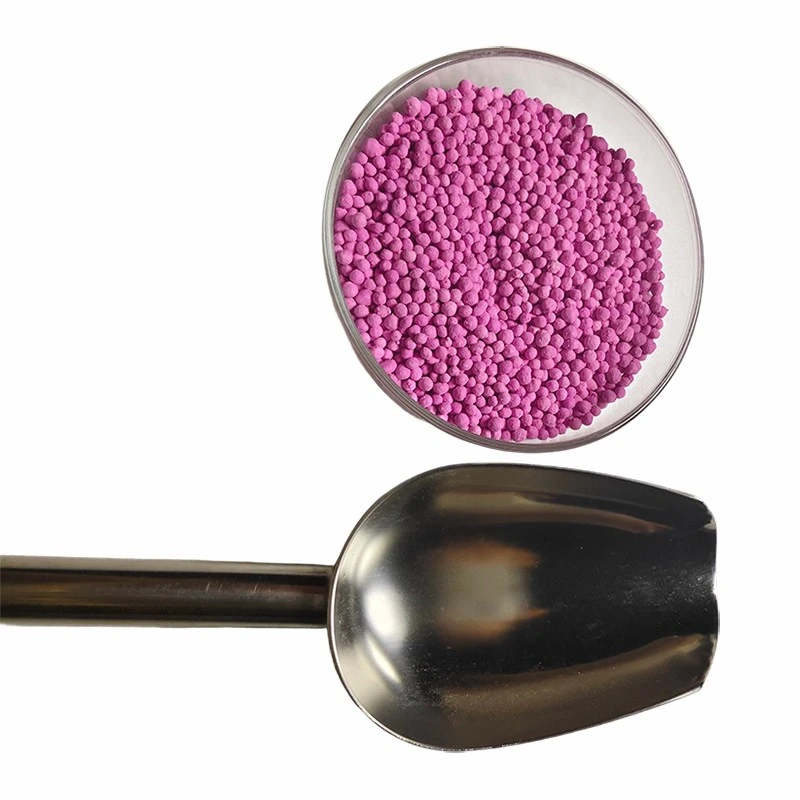
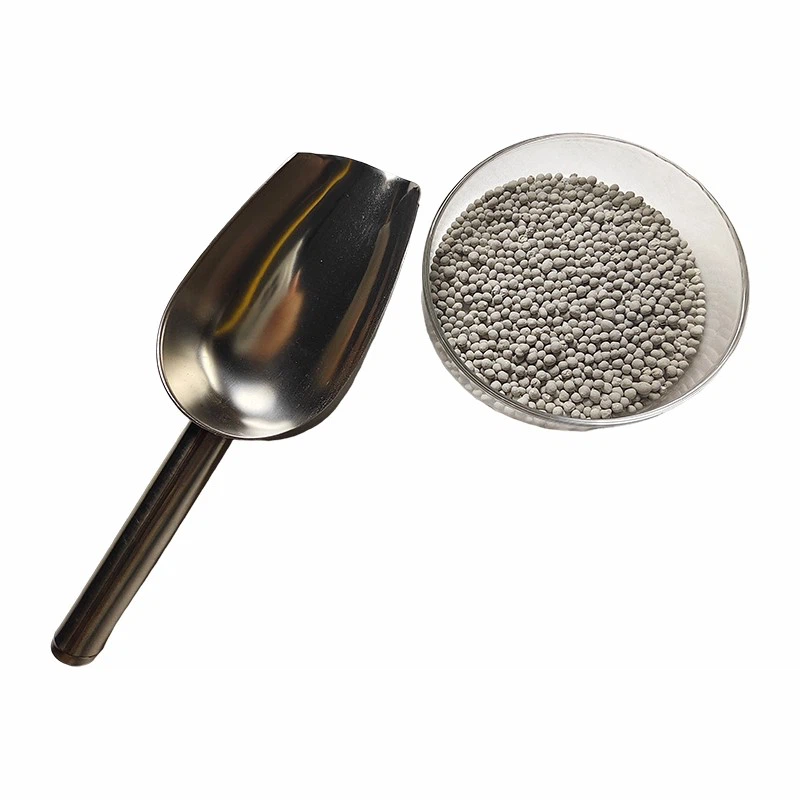
Some NPK fertilizers also come with additional micronutrients like calcium, magnesium, and iron. These micronutrients are essential for plant health in smaller quantities, and having them in the fertilizer can provide a more comprehensive nutrient package for your plants. You can check out more about different types of fertilizers, including BB Fertilizer and Compound Fertilizer, on this page: BB Fertilizer and Compound Fertilizer.
4. Cost - Effectiveness
In the long run, using NPK fertilizer can be cost - effective. While there's an upfront cost to purchasing the fertilizer, the increased yields and improved plant health can more than make up for it.
For farmers, the extra income from a larger harvest can far exceed the cost of the fertilizer. And for home gardeners, the cost of a bag of NPK fertilizer is relatively small compared to the value of the fresh produce they can grow. Plus, since NPK fertilizers are concentrated sources of nutrients, you don't need to use large amounts to see results. This means you can get more bang for your buck.
5. Soil Improvement
NPK fertilizers can also have a positive impact on soil quality. Over time, continuous cropping can deplete the soil of essential nutrients. By adding NPK fertilizer, you're replenishing these nutrients and helping to maintain a healthy soil ecosystem.
Phosphorus, for example, can improve soil structure by promoting the growth of beneficial soil microorganisms. These microorganisms help break down organic matter, making nutrients more available to plants. Potassium can also enhance soil fertility by improving the cation exchange capacity of the soil, which means the soil can hold and release nutrients more effectively.
6. Ease of Application
Applying NPK fertilizer is relatively easy. It can be spread by hand in small gardens or applied using mechanical spreaders in large fields. There are also liquid NPK fertilizers available, which can be sprayed directly onto the leaves of plants (foliar application) or added to irrigation water.
This ease of application makes it accessible for both professional farmers and amateur gardeners. You don't need to be an expert to use NPK fertilizer effectively. Just follow the instructions on the package, and you're good to go.
7. Consistent Quality
As a supplier, I can guarantee that the NPK fertilizers we offer are of consistent quality. We follow strict manufacturing processes to ensure that each batch of fertilizer has the right amount of nitrogen, phosphorus, and potassium.
This consistency is crucial for growers because it allows them to plan their fertilization programs accurately. They know exactly what they're getting and can expect reliable results every time they use our NPK fertilizer.
8. Adaptability to Different Soils
NPK fertilizers can be used in a wide range of soil types. Whether you have sandy soil, clay soil, or loamy soil, there's an NPK fertilizer formulation that can work for you.
Sandy soils, for example, tend to drain quickly and may lose nutrients easily. A slow - release NPK fertilizer can be a good choice for sandy soils as it releases nutrients gradually over time, reducing the risk of nutrient leaching. Clay soils, on the other hand, can hold nutrients well but may have poor drainage. A balanced NPK fertilizer can help improve the nutrient availability in clay soils.
9. Time - Saving
Using NPK fertilizer can save you a lot of time. Instead of trying to find different sources of nitrogen, phosphorus, and potassium separately, you can get all three in one product. This simplifies the fertilization process and allows you to focus on other aspects of plant care, like watering and pest control.
10. Environmental Benefits (When Used Properly)
When used correctly, NPK fertilizers can have environmental benefits. By increasing crop yields, less land needs to be cleared for agriculture. This helps preserve natural habitats and reduces deforestation.
Also, since NPK fertilizers are concentrated sources of nutrients, they can reduce the amount of organic waste that would otherwise be needed to fertilize the soil. This can help in waste management and reduce the environmental impact associated with large - scale composting or manure handling.
So, there you have it - the many benefits of using NPK fertilizer. Whether you're a professional farmer looking to maximize your yields or a home gardener wanting to grow healthy plants, NPK fertilizer is a great choice.
If you're interested in purchasing NPK fertilizer for your farming or gardening needs, I'd love to have a chat with you. Let's discuss your specific requirements and find the perfect NPK fertilizer solution for you. Reach out to start a procurement discussion and take your plant cultivation to the next level.
References
- Brady, N. C., & Weil, R. R. (2008). The Nature and Properties of Soils. Pearson Prentice Hall.
- Mengel, K., & Kirkby, E. A. (2001). Principles of Plant Nutrition. Kluwer Academic Publishers.


