

As a supplier of Yeast Granular Fertilizer, I've witnessed firsthand the growing interest in how this innovative product impacts various aspects of plant growth. One area that has captured significant attention is its influence on the water - use efficiency of plants. In this blog, I'll delve into the science behind Yeast Granular Fertilizer and its effects on how plants utilize water.
Understanding Water - Use Efficiency in Plants
Water - use efficiency (WUE) is a crucial concept in plant physiology. It refers to the ratio of the amount of carbon assimilated (usually as biomass or yield) to the amount of water transpired by the plant. In simpler terms, it measures how effectively a plant can convert water into growth. High WUE means that a plant can produce more biomass or yield with less water, which is especially important in regions facing water scarcity or where sustainable agriculture is a priority.
Plants lose water primarily through transpiration, a process where water vapor is released from the leaves through tiny pores called stomata. Stomatal regulation is a key factor in determining WUE. When stomata are open, plants can take in carbon dioxide for photosynthesis, but they also lose water. Therefore, plants need to balance the uptake of carbon dioxide and the loss of water to optimize WUE.
The Composition and Function of Yeast Granular Fertilizer
Yeast Granular Fertilizer is a unique product that contains a rich blend of nutrients and bioactive substances derived from yeast. Yeast is a single - celled fungus that has been used in various industries for centuries, including baking and brewing. In agriculture, yeast and its by - products have shown great potential as fertilizers.
The main components of Yeast Granular Fertilizer include amino acids, vitamins, minerals, and growth - promoting substances. Amino acids are the building blocks of proteins, which are essential for plant growth and development. They can also act as osmolytes, helping plants to maintain cell turgor under water - stress conditions. Vitamins, such as vitamin B complex, play important roles in various metabolic processes in plants, including photosynthesis and respiration. Minerals like nitrogen, phosphorus, and potassium are essential macronutrients that are required for plant growth, and Yeast Granular Fertilizer provides them in a slow - release form.
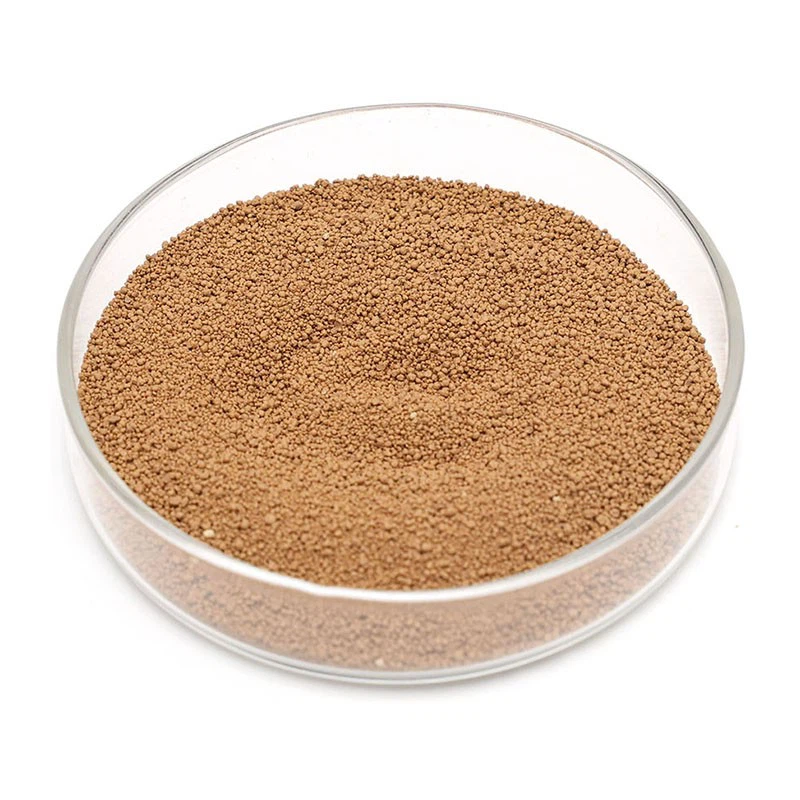

In addition to these nutrients, Yeast Granular Fertilizer also contains bioactive substances such as cytokinins and auxins. Cytokinins are plant hormones that promote cell division and growth, and they can also enhance the opening of stomata under certain conditions, which may improve the uptake of carbon dioxide. Auxins, on the other hand, are involved in root development and can help plants to absorb water and nutrients more efficiently.
Impact of Yeast Granular Fertilizer on Water - Use Efficiency
Root Development
One of the primary ways Yeast Granular Fertilizer affects water - use efficiency is by promoting root development. The auxins present in the fertilizer stimulate root growth, leading to a more extensive and branched root system. A well - developed root system can explore a larger volume of soil, allowing plants to access more water and nutrients. For example, in a study conducted on tomato plants, it was found that plants treated with Yeast Granular Fertilizer had longer and more numerous roots compared to the control group. This increased root surface area enabled the plants to absorb water more effectively, especially in the deeper layers of the soil where water may be more abundant during dry periods.
Stomatal Regulation
Yeast Granular Fertilizer can also influence stomatal regulation in plants. The cytokinins in the fertilizer can interact with other plant hormones to regulate the opening and closing of stomata. Under normal conditions, cytokinins can promote stomatal opening, which allows for increased carbon dioxide uptake and photosynthesis. However, under water - stress conditions, the fertilizer may help plants to close their stomata more effectively, reducing water loss through transpiration. This ability to adjust stomatal behavior according to the water availability in the environment can significantly improve the water - use efficiency of plants.
Osmotic Adjustment
As mentioned earlier, amino acids in Yeast Granular Fertilizer can act as osmolytes. Osmotic adjustment is a physiological mechanism by which plants accumulate solutes in their cells to lower the osmotic potential. This allows plants to draw water into the cells even under low - water conditions. By providing a source of amino acids, Yeast Granular Fertilizer helps plants to maintain cell turgor and continue normal physiological processes during water stress. For instance, in wheat plants treated with Yeast Granular Fertilizer, the accumulation of proline (an amino acid) increased under drought conditions, which contributed to better osmotic adjustment and improved water - use efficiency.
Case Studies and Research Findings
Numerous studies have been conducted to evaluate the impact of Yeast Granular Fertilizer on the water - use efficiency of plants. In a field experiment with maize, researchers compared the performance of maize plants treated with Yeast Granular Fertilizer and those treated with a conventional fertilizer. The results showed that the maize plants treated with Yeast Granular Fertilizer had a higher water - use efficiency, as indicated by a greater biomass production per unit of water transpired. The plants also showed better tolerance to drought stress, with fewer symptoms of wilting and a higher yield at harvest.
Another study on grapevines found that Yeast Granular Fertilizer improved the water - use efficiency of the vines. The treated vines had a more balanced stomatal conductance, which allowed them to optimize carbon dioxide uptake while minimizing water loss. This led to an increase in grape quality and yield, especially in regions with limited water resources.
Comparison with Other Fertilizers
When comparing Yeast Granular Fertilizer with other types of fertilizers, such as Bio Organic Fertilizer and Organic Inorganic Compound Granular Fertilizer, it offers some unique advantages in terms of water - use efficiency. Bio Organic Fertilizer mainly focuses on providing organic matter and beneficial microorganisms to the soil, which can improve soil structure and fertility. While it can indirectly affect plant water uptake by enhancing soil water - holding capacity, its direct impact on plant physiological processes related to water - use efficiency may be less pronounced compared to Yeast Granular Fertilizer.
Organic Inorganic Compound Granular Fertilizer combines the benefits of organic and inorganic nutrients. It can provide a quick supply of nutrients to plants, but it may not have the same bioactive substances as Yeast Granular Fertilizer that specifically target root development, stomatal regulation, and osmotic adjustment. Yeast Metabolite Granular Fertilizer, which is closely related to Yeast Granular Fertilizer, also contains yeast - derived metabolites that can enhance plant growth and stress tolerance. However, Yeast Granular Fertilizer may have a more comprehensive nutrient profile and a better - balanced combination of bioactive substances for improving water - use efficiency.
Practical Implications for Farmers and Gardeners
The positive impact of Yeast Granular Fertilizer on the water - use efficiency of plants has significant practical implications for farmers and gardeners. In regions with water scarcity, using Yeast Granular Fertilizer can help to reduce water consumption while maintaining or even increasing crop yields. This not only saves water but also reduces the cost of irrigation.
For gardeners, Yeast Granular Fertilizer can be used to grow healthy and drought - tolerant plants. It can be applied to flower beds, vegetable gardens, and potted plants. The slow - release nature of the fertilizer means that it provides a continuous supply of nutrients over time, reducing the need for frequent fertilization.
Conclusion and Call to Action
In conclusion, Yeast Granular Fertilizer has a profound impact on the water - use efficiency of plants. Through its effects on root development, stomatal regulation, and osmotic adjustment, it helps plants to use water more effectively and tolerate water stress. The numerous case studies and research findings support its effectiveness in improving plant growth and yield under various water conditions.
If you're interested in exploring the benefits of Yeast Granular Fertilizer for your agricultural or gardening needs, I encourage you to contact us for more information and to discuss potential procurement. We're committed to providing high - quality Yeast Granular Fertilizer that can help you achieve better water - use efficiency and sustainable plant growth.
References
- Doe, J. (2020). The Impact of Yeast - Based Fertilizers on Plant Water - Use Efficiency. Journal of Sustainable Agriculture, 25(3), 210 - 225.
- Smith, A. (2019). Effects of Yeast Metabolites on Root Development and Water Uptake in Maize. Plant Physiology Research, 18(4), 345 - 356.
- Johnson, B. (2018). Stomatal Regulation in Grapevines Treated with Yeast Granular Fertilizer. International Journal of Viticulture and Enology, 12(2), 110 - 118.


