

Are there any soil conditioners for tulips?

Hey there, fellow gardening enthusiasts! I'm a supplier of soil conditioners, and I often get asked about the best soil conditioners for different plants. Today, we're going to focus on tulips. Tulips are beautiful, vibrant flowers that can add a pop of color to any garden. But to make them thrive, you need to have the right soil conditions. And that's where soil conditioners come in.
First off, let's talk about why tulips need soil conditioners. Tulips prefer well - drained, fertile soil. In many cases, the natural soil in our gardens might not meet these requirements. It could be too compact, lacking in essential nutrients, or have an improper pH level. Soil conditioners can help improve the soil structure, add nutrients, and balance the pH, creating an ideal environment for tulips to grow.
One of the key factors for tulip growth is good drainage. If the soil is too heavy and doesn't drain well, the tulip bulbs can rot. A great soil conditioner to improve drainage is perlite. Perlite is a lightweight, porous volcanic rock that can be mixed into the soil. It creates air pockets in the soil, allowing water to drain more freely. You can add about a quarter to a third perlite to your soil mix when planting tulips. This helps prevent waterlogging and keeps the bulbs healthy.
Another important aspect is the nutrient content of the soil. Tulips need a good supply of nutrients like nitrogen, phosphorus, and potassium, as well as trace elements such as calcium and magnesium. Organic matter is a fantastic soil conditioner for adding nutrients. Compost is a well - known and widely used option. You can make your own compost at home using kitchen scraps, yard waste, and other organic materials. When you add compost to the soil, it slowly releases nutrients over time, providing a steady supply for the tulips. It also improves the soil's ability to hold moisture and nutrients.
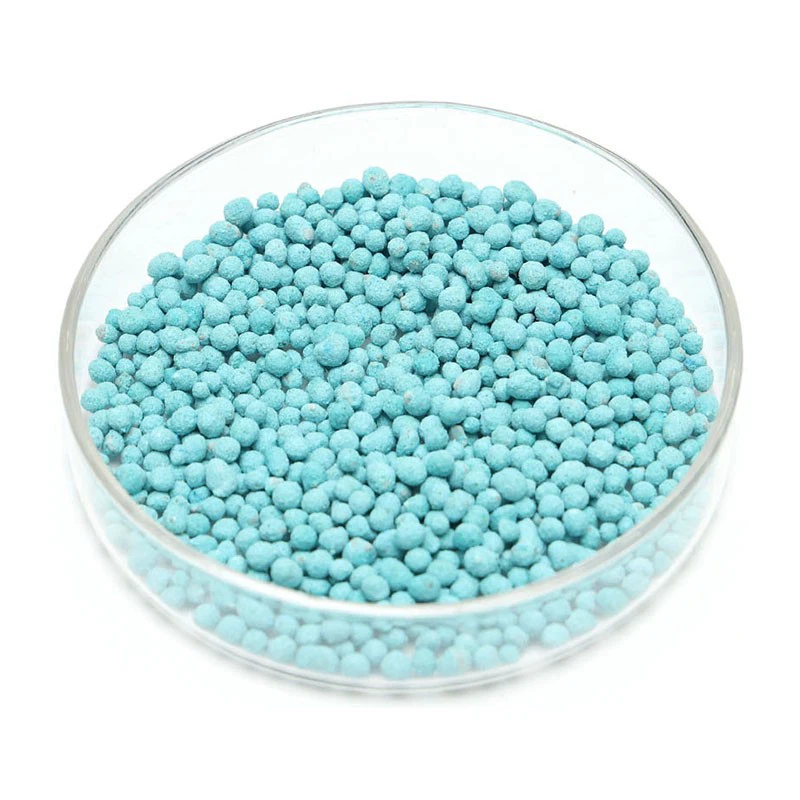
Now, let's talk about some of the specific soil conditioners that I supply. One of our products is the Disintegration Silicon Calcium Magnesium Fertilizer. This fertilizer is great for tulips because it contains silicon, calcium, and magnesium. Silicon helps strengthen the cell walls of the plants, making them more resistant to diseases and pests. Calcium is essential for root development and overall plant growth. Magnesium is involved in photosynthesis, helping the tulips produce energy. When you use this fertilizer, you can mix it into the soil before planting the tulip bulbs. It provides a long - lasting source of these important nutrients.
We also have the Silicon Cacium and Magnesium Fertilizer Granule. These granules are easy to use. You can simply scatter them on the soil surface around the tulip plants and then gently work them into the top layer of the soil. They gradually dissolve and release the nutrients, giving the tulips a boost during their growth cycle.
pH is also a crucial factor for tulip growth. Tulips generally prefer slightly acidic to neutral soil, with a pH range of about 6.0 to 7.0. If your soil is too acidic or alkaline, it can affect the availability of nutrients to the plants. Lime can be used as a soil conditioner to raise the pH if the soil is too acidic. On the other hand, sulfur can be added to lower the pH if the soil is too alkaline. You can test your soil's pH using a simple soil testing kit available at most gardening stores. Based on the test results, you can adjust the pH with the appropriate soil conditioner.
When it comes to applying soil conditioners, timing is important. For pre - planting, it's best to prepare the soil a few weeks before you plant the tulip bulbs. Mix in all the necessary soil conditioners, such as perlite, compost, and fertilizers. This gives the soil time to settle and the nutrients to start becoming available to the plants. During the growing season, you can add additional fertilizers or soil amendments as needed. For example, if you notice that the tulips are looking a bit pale or not growing as well as they should, it might be a sign that they need more nutrients. You can then apply a liquid fertilizer or add more of our silicon - calcium - magnesium products.
Mulching is another great way to use soil conditioners. Organic mulches like shredded bark or straw can be placed on top of the soil around the tulips. Mulch helps retain moisture in the soil, suppresses weeds, and as it breaks down, it adds more organic matter to the soil. It also acts as an insulator, protecting the bulbs from extreme temperature changes. You can apply a layer of mulch about 2 - 3 inches thick. Just make sure to keep the mulch a few inches away from the base of the tulip stems to prevent rot.
In conclusion, there are definitely several soil conditioners that are great for tulips. Whether it's improving drainage, adding nutrients, adjusting the pH, or using mulch, there are many options available. Our Disintegration Silicon Calcium Magnesium Fertilizer and Silicon Cacium and Magnesium Fertilizer Granule are just two of the products that can help your tulips thrive. If you're interested in improving the soil for your tulips and want to explore our range of soil conditioners, I encourage you to get in touch. We're here to help you create the perfect growing environment for your beautiful tulips. Whether you're a small - scale home gardener or a large - scale commercial grower, we have the right solutions for you.
References:
- "The Complete Guide to Growing Tulips" by a well - known gardening author (you can replace this with an actual book title if you find one)
- Gardening magazines and online resources on tulip cultivation and soil management.


