

Can soil conditioner be used in dryland farming?
Dryland farming, which relies solely on natural precipitation for crop growth, faces numerous challenges such as low soil moisture, poor soil structure, and limited nutrient availability. As a soil conditioner supplier, I've often been asked whether soil conditioners can be effectively used in dryland farming. In this blog, I'll explore the potential of soil conditioners in dryland agriculture, drawing on scientific research and practical experience.
The Challenges of Dryland Farming
Dryland areas typically receive less than 500 mm of annual precipitation, and in some cases, even less. This limited water supply restricts plant growth and makes it difficult to maintain high - yielding crops. Additionally, dryland soils often have a compacted structure, which reduces water infiltration and root penetration. The lack of organic matter in these soils further exacerbates the problem, as it affects soil fertility and the ability to retain moisture.
Nutrient leaching is also a concern in dryland farming. When it does rain, the water can quickly wash away essential nutrients from the soil surface, leaving plants starved of the elements they need for healthy growth. These challenges make it crucial to find solutions that can improve soil quality and water - holding capacity in dryland areas.
How Soil Conditioners Can Help
Soil conditioners are substances that are added to the soil to improve its physical properties, such as structure, porosity, and water - holding capacity. They can also enhance nutrient availability and promote beneficial microbial activity. There are several types of soil conditioners that can be beneficial in dryland farming:
-
Organic Matter - Based Conditioners: Organic materials like compost, manure, and peat moss are excellent soil conditioners. They increase the soil's organic matter content, which in turn improves soil structure. Organic matter acts like a sponge, holding onto water and releasing it slowly to plants. It also provides a food source for soil microorganisms, which help break down nutrients and make them more accessible to plants.
-
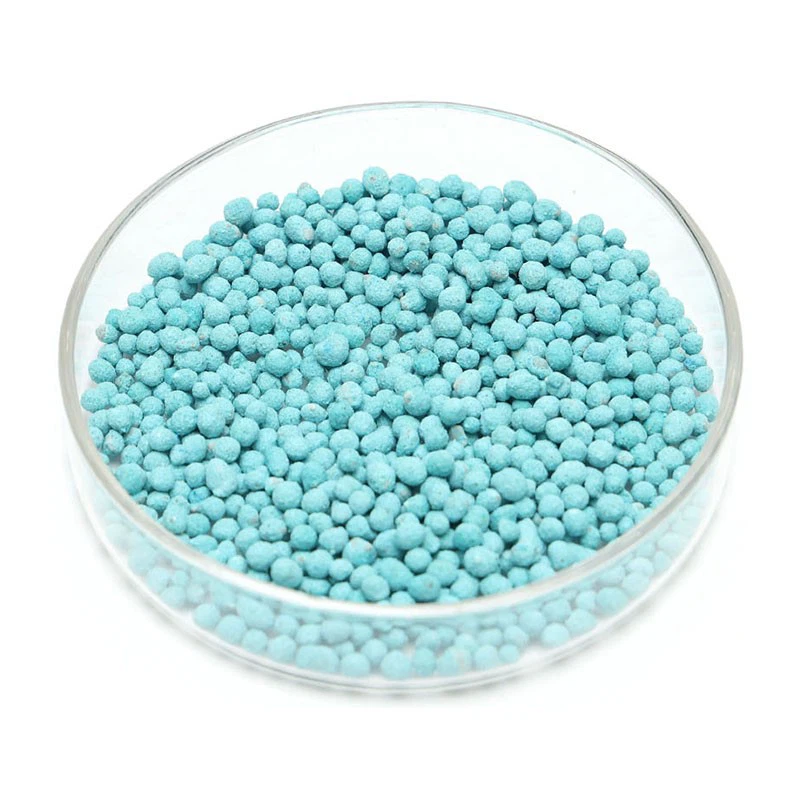
Mineral - Based Conditioners: Minerals such as gypsum, lime, and Silicon Cacium and Magnesium Fertilizer Granule can be used to improve soil structure and nutrient availability. Gypsum, for example, can help break up compacted soils and improve water infiltration. Lime can adjust soil pH, making nutrients more available to plants. The Silicon Cacium and Magnesium Fertilizer Granule provides essential elements like silicon, calcium, and magnesium, which are important for plant growth and stress tolerance.
-
Synthetic Soil Conditioners: There are also synthetic soil conditioners available, such as polymers and hydrogels. These substances can absorb and retain large amounts of water, releasing it slowly to plants over time. They can significantly improve the water - holding capacity of dryland soils, reducing the impact of drought on crop growth.
Scientific Evidence for Using Soil Conditioners in Dryland Farming
Numerous scientific studies have demonstrated the benefits of using soil conditioners in dryland areas. For example, a study published in the "Journal of Arid Environments" found that adding organic matter to dryland soils increased water - holding capacity by up to 30%. This led to improved crop yields, even in years with below - average rainfall.
Another study focused on the use of Disintegration Silicon Calcium Magnesium Fertilizer in dryland wheat farming. The results showed that the application of this fertilizer improved the wheat's resistance to drought stress, increased nutrient uptake, and ultimately led to higher grain yields. The silicon in the fertilizer helped strengthen the plant's cell walls, reducing water loss through transpiration.
Practical Considerations
When using soil conditioners in dryland farming, there are several practical considerations to keep in mind. First, the type of soil conditioner should be chosen based on the specific needs of the soil and the crops being grown. For example, if the soil is highly acidic, lime may be a suitable conditioner to adjust the pH. If the soil has poor water - holding capacity, a hydrogel or organic matter - based conditioner may be more appropriate.

Second, the application rate and timing are crucial. Applying too much soil conditioner can be wasteful and may even have negative effects on the soil and plants. It's important to follow the manufacturer's recommendations and conduct soil tests to determine the optimal application rate.
Finally, soil conditioners should be integrated into a comprehensive dryland farming management system. This may include practices such as conservation tillage, crop rotation, and water - harvesting techniques. By combining these practices, farmers can maximize the benefits of soil conditioners and improve the overall productivity of their dryland farms.
Case Studies
Let's look at a few real - world examples of soil conditioner use in dryland farming. In a small - scale dryland farm in the western United States, a farmer decided to use compost as a soil conditioner. After a few years of regular application, the soil structure improved significantly. The soil became more porous, allowing for better water infiltration and root growth. The farmer also noticed an increase in earthworm activity, which is a sign of a healthy soil ecosystem. As a result, crop yields increased by an average of 20%, even during periods of drought.
In another case, a large - scale dryland cotton farm in Australia used a polymer - based soil conditioner. The conditioner helped the soil retain more water, reducing the need for irrigation. The cotton plants showed better growth and development, and the farm was able to achieve higher yields with less water consumption.
Conclusion
In conclusion, soil conditioners can be a valuable tool in dryland farming. They can help improve soil structure, increase water - holding capacity, and enhance nutrient availability, all of which are essential for successful crop production in dryland areas. Scientific research and practical experience have shown that the use of soil conditioners can lead to higher yields, better crop quality, and increased resilience to drought.
As a soil conditioner supplier, I'm committed to providing high - quality products and expert advice to farmers in dryland regions. If you're interested in learning more about how our soil conditioners can benefit your dryland farm, or if you'd like to discuss potential procurement and start a business negotiation, please don't hesitate to reach out. We're here to help you overcome the challenges of dryland farming and achieve sustainable agricultural success.
References
- Journal of Arid Environments: [Citation details of relevant studies from this journal]
- Other scientific research papers on dryland farming and soil conditioners used in the preparation of this blog.


